The Freedom Manifesto
A Confession
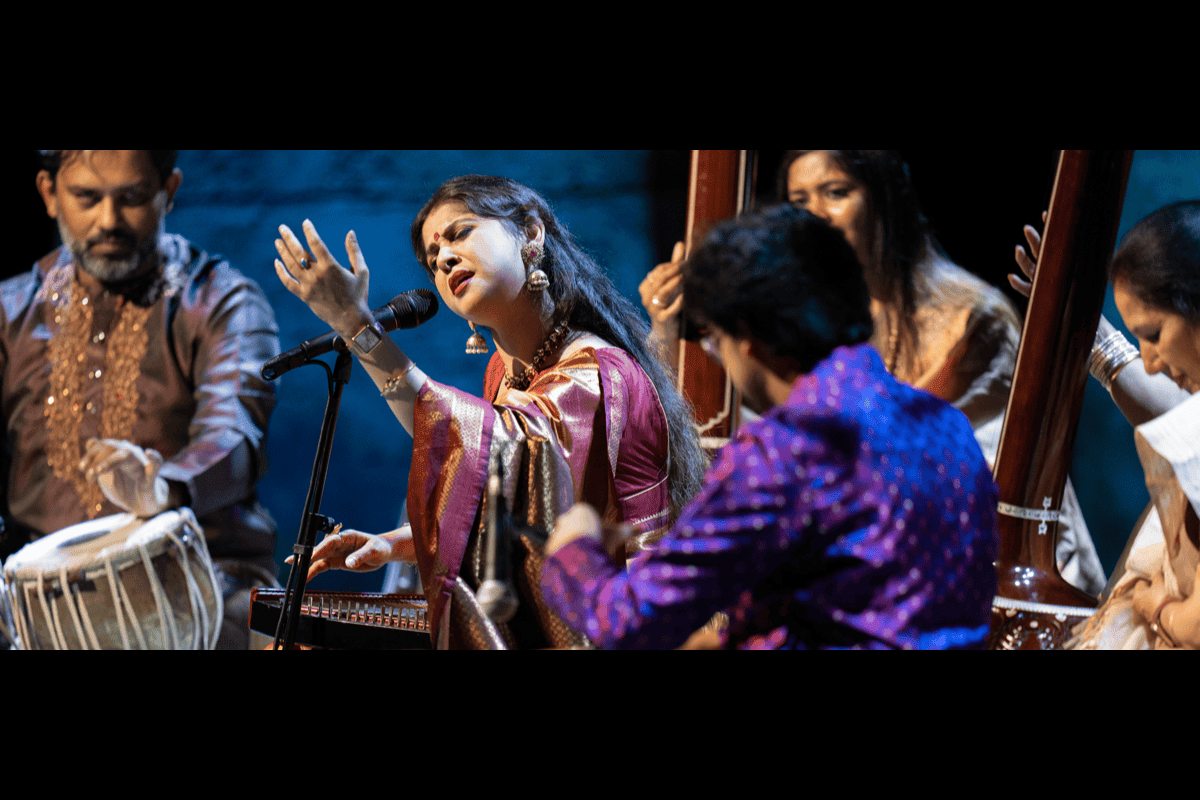
I'm 23 years old, and I just started learning music. In any sane world, this wouldn't be a confession. But I grew up in a world where pursuing art after age 12 is betrayal, where beauty is luxury, where your voice doesn't matter. I grew up on the internet, which meant I could see everything but have nothing. Until I realized the prison door was never locked. I just needed the courage to turn the handle.
Our Inheritance
You probably remember the exact moment you realized your life was designed before you were born.
I was 13, torrenting movies on a 512 kbps connection, when I first saw how other kids lived. Not rich kids in particular, the normal kids. They had their own rooms. They chose their subjects. They started bands, made films, built things that didn't work, and nobody's life collapsed.
Troy Bolton could choose between basketball and theater. His dad was disappointed, sure, but disappointment didn't mean destruction. Nobody sold ancestral land for his college. In Perks of Being a Wallflower, Charlie could have a breakdown without breaking his family. In Lady Bird, she could dream of New York colleges while her parents struggled financially, but her dreams were still hers to dream.
On TV, kids quit things. Quit piano lessons. Quit soccer. Quit pre-med. Just... quit. Like quitting wasn't betrayal. Like resources weren't scarce. Like every opportunity to strive for anything but survival wasn't possibly the last one.
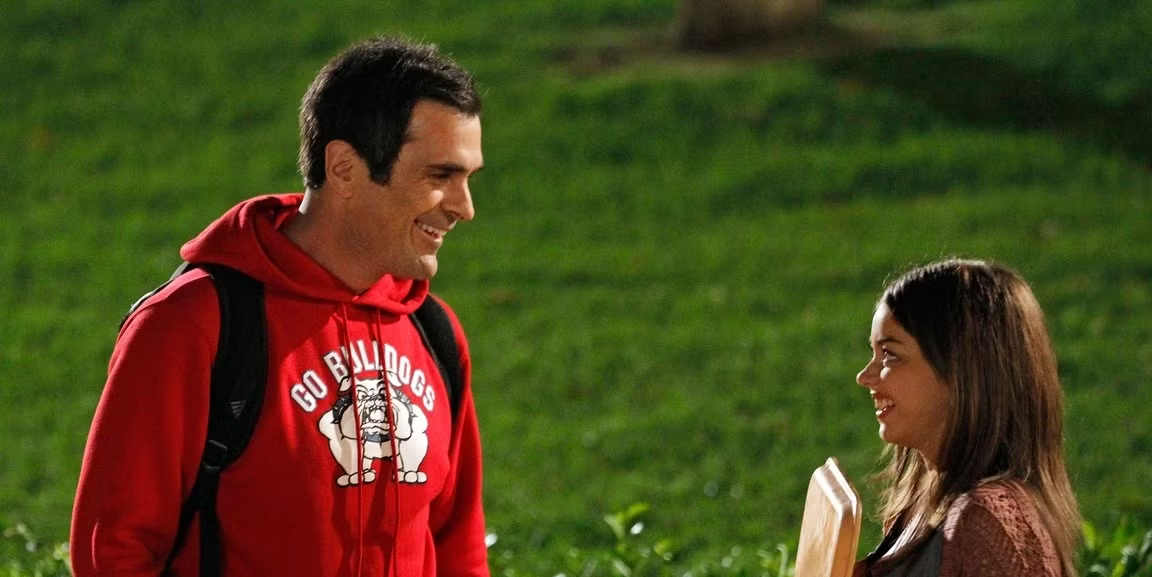
Haley Dunphy could fail classes and still go to college. Rory Gilmore could drop out of Yale, YALE, and it was just a plot point, not a family catastrophe. Kids in Stranger Things spent entire summers on bikes, looking for adventure. My summers were spent in coaching centers, looking for rank improvements.
That's when it hit me. They had margins for error. I had margins for survival.
I remember asking Harsh, the smartest guy in our school, what he wanted to study. This was a kid who'd finish solving math problems before teachers finished writing them on the board. Brilliant. Like, genuinely brilliant. He'd aced one of India's top coaching centers. Got into IIT.
"What do you want to do there?" I asked. "What would you study?"
He looked at me like I'd asked him what color he wanted the sky to be.
"Whatever gets me placed fastest," he said. "Computer Science if I get it. Electrical if I don't. Doesn't matter."
Doesn't matter. The smartest kid I knew, with his pick of opportunities, and his dreams were just... practical. Not because he was boring. Because dreams were luxury he couldn't afford.
I grew up watching American high schoolers on Netflix choose between colleges based on "campus culture." Meanwhile, Harsh, who could've studied and done anything was choosing based on placement statistics.
They worried about finding themselves. We worried about finding employment that could support entire family trees.
On Discord, I'd listen to my friends from western lands plan gap years. Discuss switching majors. Debate whether to pursue music or coding. I'd stay muted, because how do you explain that you don't make choices? You inherit obligations.
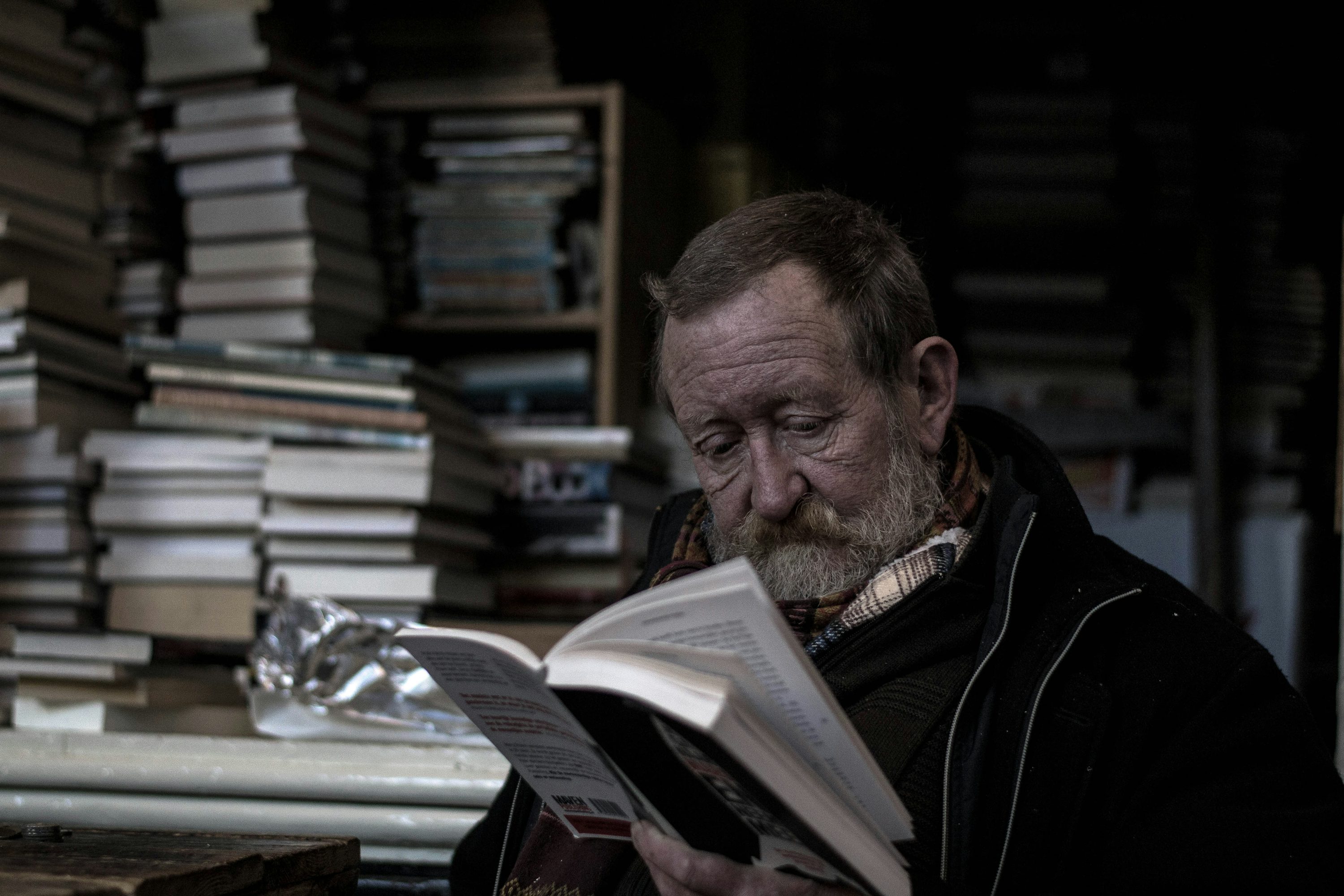
I inherited the weight of three generations' dreams. My grandfather had a double MA in Urdu and English literature. Brilliant, educated, passionate about words. But he took the first job that needed English speakers and never wrote another line. Never pursued what he loved. Never gave his kids the life education was supposed to guarantee.
My father lost everything gambling. Everything.
My mother became the breadwinner.
I remember her breaking open every gullak, those clay piggy banks, in our house. Counting coins and crumpled notes for my school admission. I watched her face collapse when she realized it wasn't enough. Watched her cry for exactly two minutes. Then watched her wipe her face, sell her jewellery piece by piece, memory by memory, and start a business from nothing.
People mocked her. "You can either run a business or raise kids, not both." She did both. She did everything. While relatives circled like vultures, waiting for her to fail, whispering about what happens to families without fathers who provide.
When I started my first company at 16, people either called me stupid or brave.
I wasn't either. I was cornered.
If I failed, it wasn't just my failure. It was proof that my mother couldn't do both. It was validation for every relative who said we'd amount to nothing. It was watching the jewellery she sold for my education turn into another bad bet, like my father's gambling but with better PR.
I ended up doing fine for me. Not because I was brilliant, but because failure would've meant watching my mother, who broke open piggy banks, who sold everything, who built something from less than nothing, realize she'd bet on the wrong horse.
Success wasn't ambition. It was survival with a LinkedIn profile.
I used to flip phones in school corridors. Buying pen drives wholesale, selling them between classes. Writing love letters for seniors who'd pay me 50 rupees to sound romantic. I once tried to broker a phone deal. The buyers came on a bike, asked to "test" the phone, then rode off with it. I got beaten for that. Lost money I didn't have from a person who trusted me with their phone.
I did gambling during IPL matches. Just like my father, I lost everything. Unlike him, I was 15. When I couldn't pay, I confessed to the school, exposed the whole operation, let them intervene. Another beating. Another fuck up.
Every teenage mistake, every piece of trouble I got into, it wasn't hormones. It wasn't rebellion. It wasn't fun. It was just me, at 13, unable to accept that scarcity was my destiny. Unable to watch Rajat walk in with his Ferrari school bag while my brother and I calculated if we could afford geometry boxes and ice creams.
Other kids were discovering themselves. I was discovering arbitrage.
The thing is, I couldn't accept it. Couldn't accept that this was my fate. Couldn't accept that kids in my own school, forget America, kids sitting next to me, had things I'd never touch. So I hustled. I schemed. I flipped whatever I could flip. I sold whatever I could sell. I became a 13 year old entrepreneur not out of ambition but out of refusal. Refusal to inherit scarcity.
Every side hustle was a small war against predetermined poverty. Every scheme was me trying to break the generational curse with whatever tools a teenager could find.
But here's what nobody tells you. Success built on terror is still prison. You're not free just because the cage is gold-plated. You're still performing someone else's redemption story. Still paying debts you didn't incur. Still carrying weight that shouldn't be yours.
Looking back, I lost my entire childhood, teenage years, and early adult years to entrepreneurship. Everyone called me mature. So mature for your age. But it wasn't a compliment. It was proof that something was wrong. A 13-year-old flipping phones isn't passionate. He's desperate.
Now it retrospectively feels like what I thought was my calling was actually compulsion.
Growing up Online in India
The thing about growing up online is you see everything you can't have. You know exactly what freedom looks like. Kids your age treating careers like experiments. Moving cities like they're trying new restaurants. Learning instruments at 25 without apologizing. Building things for fun, FOR FUN, while you're calculating ROI on every hour.
You see them fail gorgeously. Publicly. Then pivot like it's nothing. Meanwhile, you're one bad decision away from destroying your sister's education fund.
They're playing video games. You're playing with lives.
I knew better existed. I'd video-called it. I'd collaborated with it. I'd seen kids younger than me raise millions, lose it all, and laugh about it on podcasts. They had the freedom to fail. I had the freedom to succeed or die trying.
And that's not freedom. That's Russian roulette with better LinkedIn updates.
What we actually inherited wasn't opportunity. It was debt. Not financial, but existential. We owe success. We owe stability. We owe returns on investment. We owe dreams we never chose to dream.
Every Indian kid carrying their family's hopes knows this weight. Every first-generation anything knows this weight. You're not living your life. You're living the intersection of everyone else's unlived ones.
The cruelest part? You can't even be angry. They gave up everything. They meant well. They built the cage to protect you. Now you're protected from everything, including the life you might have chosen.
I am still carrying inherited dreams. Still fighting the feeling that wanting my own life is betrayal. Still calculating the cost of freedom in other people's sacrifices.
But here's what changed. I realized the prison door was never locked. It was just heavy with the weight of love, sacrifice, and expectation. And maybe, just maybe, I'm finally strong enough to push it open.
Not to escape. But to expand it until everyone fits inside.
Because that's the only freedom that matters. The kind that doesn't leave anyone behind.
Why Freedom? Why Now?
I spent 22 years not thinking about freedom. I was too busy surviving.
Freedom was for philosophers. For rich kids. For people whose grandfathers studied literature for fun, not survival. I had work to do. Money to make. Family to support.
Then my tailbone broke.
Not dramatically. Slowly. From bouncing on Bangalore roads, racing to office and back, ignoring the shooting pain because that's what you do. You adjust. You manage. You survive.
Now I can't sit properly. At 23.
That's when I understood. Freedom isn't philosophy. It's the difference between living and slowly breaking.
Every compromise compounds. Every adjustment costs something. Every "that's just how it is" takes a piece of you. Until one day you're my age with a broken tailbone, or 35 with a broken spirit, or 50 with a broken everything, wondering when you stopped living and started just enduring.
The internet generation sees this clearly. We've video-called better lives. We've collaborated with people who don't break their bodies commuting. We know what's possible.
But we're told wanting better is Western. Ungrateful. Impractical.
Fuck that.
Freedom matters because unfreedom is killing us. Actually killing us. One broken tailbone, one dead dream, one "unfortunate incident" at a time.
The Freedoms We Actually Need
I made a list of every freedom I don't have. It filled three pages. These aren't the freedoms in constitutions or philosophy books. These are Tuesday freedoms. The ones that determine whether you're living or just not dying.
The List:
- Freedom from bad infrastructure
- Freedom from aesthetic blindness
- Freedom to give your parents the Europe trip
- Freedom from your voice not mattering
- Freedom to fail and experiment
- Freedom to let your inner child exist
- Freedom to pursue art without apologizing
- Freedom to choose how you live
- Freedom from preventable tragedy becoming acceptable
- Freedom from premature responsibility
- Freedom from institutional mediocrity
- Freedom to build without permission
- Freedom to want these freedoms without being called ungrateful
- Freedom to exist in public spaces without fear
- Freedom from guilt about wanting what you've seen
- Freedom to love without transaction
- Freedom to choose your constraints instead of inheriting them
Every Indian reading this could add twenty more. Every person from a broken system could add fifty. But let me tell you about the ones that haunt me:
Freedom from infrastructure that breaks you
I loved cricket. Played every evening as a kid. When I started earning, I was excited. Finally, I could go back to cricket. Back to my passion.
I haven't picked the bat for a year now.
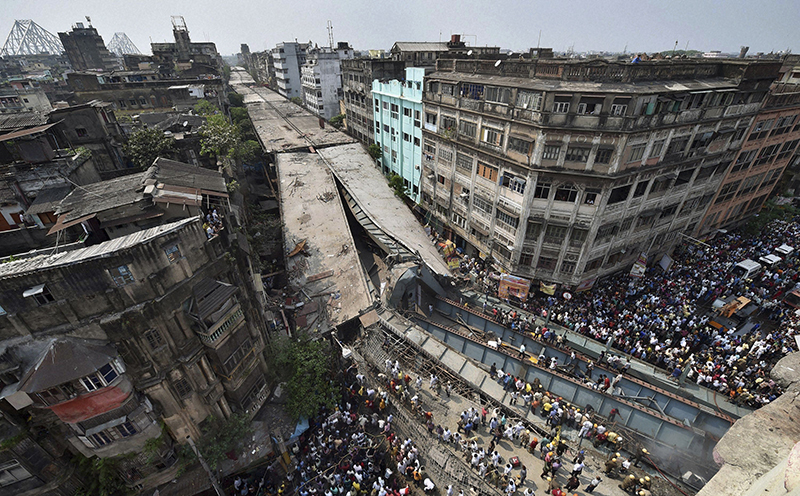
Not because I stopped loving it. Because it takes three hours to reach any ground in Bangalore. Six hours round trip to play two hours of cricket. The math doesn't work.
My tailbone broke from bad roads. Not dramatically. Slowly. From bouncing on Bangalore roads, racing to office and back, ignoring the shooting pain because that's what you do. You adjust.
Bad infrastructure doesn't just waste time. It makes you not want to go out. Not want to explore. Not want to meet friends who live three kilometers away because it's such a task. You see them once a month. Maybe.
You stay inside. Your world shrinks. You start conflicts with your partner because you're both trapped in the same small space. You develop depression. You start to hate the stench of your own room. Your life becomes smaller and smaller until existing itself feels like work.
Freedom from aesthetic blindness
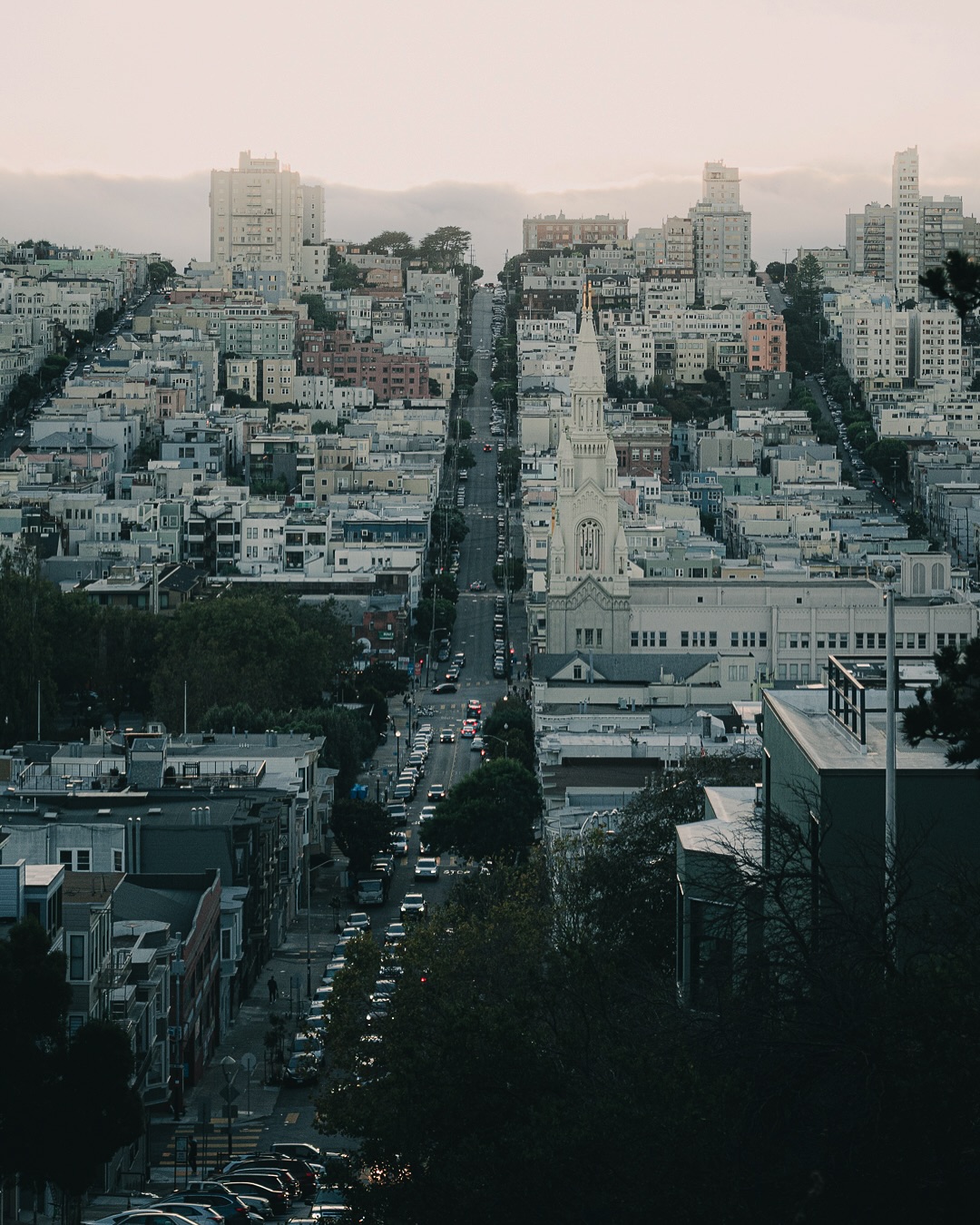
My designer friend Anmol grew up traveling. Japan, Europe, everywhere. When he joined our team, he asked something that changed me: "How do you expect to do world-class design when you've never seen world-class design around you?"
I didn't understand until he explained. Your surroundings train your eyes. The importance of curating your space. The way beauty affects your ability to create beauty.
He mentioned something about the importance of curating your spaces. How everything around you shapes what you can imagine.
That's when I realized I've been living on autopilot.
Every space I've lived in has been purely functional. Bed here. Desk there. Light that works. Done. I never took the time to make decisions about beauty, even in spaces I control. I can cry about the contractor aesthetics outside (my girlfriend Ayushi coined that term - brutal and perfect), but inside my own room? I have the freedom to create beauty. I just... didn't.
You can see things on the internet, sure. But it's limited. Flat. You can't walk through internet architecture. You can't feel internet textures. You can't live inside internet design.
When every building around you is a concrete box, when every space is purely functional, when contractor aesthetics is all you know, how do you imagine better? How do you create beautiful things from aesthetic starvation?
You don't. You can't. You create what you've seen, and you've seen broken.
Freedom to give your parents the Europe Trip
It's not about Europe. It's about time.
How much leave do you get? Two weeks? Three if you're lucky? A month if you're exceptional at your job?
What if your parents are dying? What if you want to spend their last months with them, not their last weekends? What if you want to give them three months in Switzerland, not three days?
We work our entire lives for two-week fragments. We see family in scheduled slots. We live our relationships in time-boxes approved by HR.
The freedom to spend extended time doing anything. Being anywhere. Being with anyone. Without calculating leave balance. Without negotiating with managers. Without the job being the sun around which all life orbits.
Freedom from voicelessness
I was watching Suits. Harvey wins a lawsuit against the city for one injury caused by negligence. One injury. Millions in damages. System changes.
Here? A pothole killed someone on my street last month. The pothole is still there.
It's just another sad story in a sea of thousands of similar stories. Thousands of worse stories. We've become a society that shrugs at preventable death.
When your voice doesn't matter, you stop speaking. When a million voices don't matter, tragedy becomes weather.
Freedom to choose how you live
Freedom from institutional mediocrity that calls itself tradition. Where age is wisdom and conformity is respect. Where "that's how it's done" is the answer to "why?"
Freedom to build without permission. Without committees. Without approval from people who've never built anything. Without explaining your vision to people invested in keeping things exactly as they are.
Freedom to choose your constraints instead of inheriting them. To decide what you'll sacrifice and what you won't. To pick your struggles instead of having them assigned at birth.
Freedom from money destroying love
Everyone around me has seen relationships destroyed by money.
Not because anyone's evil. Because everyone's struggling. The person who lent needs it back. The person who borrowed can't pay. Both have good intentions. Both are in hard times. Both are right. Both lose each other.
In India, money isn't just currency. It's the fault line that runs through every relationship. You'll always need to borrow. Someone will always need to lend. And every transaction risks destroying love.
The freedom to help without creating debt. To receive without owing. To maintain relationships that aren't held hostage by who paid for what.
Freedom to pursue art without apologizing
I keep asking myself why do I have so many hobbies. It's a question I struggled with for a long time. I'm learning music. I recently bought a yo-yo. I don't know why.
Maybe I'm trying to convince myself I'm closer to the life I want. Maybe I'm trying to reclaim what was taken. Maybe I'm just trying to prove that it's possible to want things for joy, not survival.
The Pattern We Don't See Until It's Too Late
Every example I've given follows the same pattern. A structural problem creates a psychological adaptation. The adaptation becomes normal. Normal becomes culture. Culture becomes prison.
Bad infrastructure breaks your body → You adapt by not going out → Isolation becomes normal → Society accepts loneliness as price of living
Aesthetic poverty numbs your eyes → You adapt by going functional → Ugliness becomes normal → Beauty becomes foreign
Voicelessness kills change → You adapt by staying quiet → Silence becomes normal → Deaths become statistics
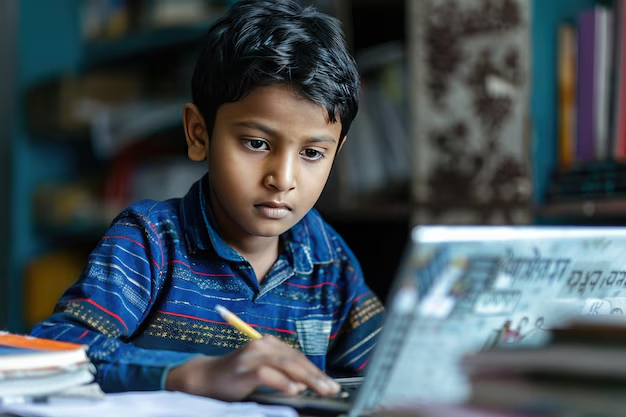
I think about that famous painting where wolves are eating sheep. There's one wolf whose eyes show he knows exactly what's happening. He's not excited about it. But he's participating. He's complacent in the pain being inflicted because that's what wolves do.
We're those wolves. We know the system is eating us alive. We see it clearly. But we participate because that's what we do. That's what our parents did. That's what their parents did.
Complacency is the real prison. Not the broken infrastructure. Not the voicelessness. Not even the poverty. It's the acceptance that this is how things are. The autopilot that keeps us functional but not alive.
I'm writing this because I'm terrified of that complacency. Terrified of becoming comfortable with discomfort. Terrified of teaching my kids to adapt instead of rebel.
The structural problems are visible. The psychological adaptations are invisible. But it's the invisible prison that's killing us.
How Do You Claim These Freedoms? Internet Business and $10K MRR as Exodus
I've named every freedom I don't have. Made the list. Felt the weight. Now what?
Here's the truth that took me 22 years to learn: We already have everything we need. The internet. Remote work. Global markets. Free education. Tools to build anything. Customers everywhere.
The only thing we lack? Courage.
Not dramatic, movie-hero courage. The everyday courage. The courage to disappoint your parents when you quit the safe job. The courage to build something people want. The courage to spend six months on a project that might fail. The courage to want more than survival when everyone around you has accepted less.
We have more tools than any generation in history. We're using them to scroll.
My version of revolution doesn't require guns. It requires recurring revenue.
I call on the internet generation of third-world countries. This is our moment. Our parents didn't have these tools. Our children won't need them. But we're here, right now, at the exact moment when geography became optional and the internet became inevitable.
$10K MRR = Freedom from survival mode. You stop scrambling. Stop accepting any opportunity. Stop making decisions from fear.
$20K MRR = Freedom from location lock.
$30K MRR = Freedom to choose your constraints. You decide what to sacrifice and what to keep. Your trade-offs become choices, not inheritances.
Beyond = Freedom to give others freedom. Hire without asking for degrees. Fund art without calculating ROI. Give your parents time, not just money.
This isn't about getting rich. It's about getting free.
Your parents fought for independence with protests. You fight with products.
Every SaaS you build is a small country with its own rules. Every customer you serve directly is a vote that your voice matters. Every dollar earned online is freedom from local dysfunction.
The beautiful thing? You don't need permission. You don't need to know someone who knows someone. You need a laptop, internet, and the courage to start.
I started at 16 because I was desperate. You can start at 22, 32, 52 because you're done being complacent.
This isn't about abandoning your country. It's about being able to leave. There's a difference between being somewhere because you're trapped and being somewhere because you choose it. Build the business. Get the freedom. Then choose. Stay and fix things. Leave and build bridges. But choose.
But if you don't exercise this courage, you're making a choice.
You're trading potential freedom for current comfort. Trading the life you could build for the life you inherited.
Life is trade-offs. Always. Maybe the irony is even the freedom to choose your trade-offs is a freedom we don't have. When you're born into constraints, you don't choose your sacrifices. They're chosen for you.
The only way to get the freedom to choose your trade-offs. Make the trade-off of courage now.
Courage costs. It costs sleepless nights building instead of watching. It costs relationships with people who want you to stay small. It costs the comfort of knowing exactly how tomorrow will look.
But complacency costs more. It costs decades. It costs dreams. It costs the person you could have become.
I'm 22, learning music, building businesses, writing manifestos. Not because I'm special. Because I did the math. The cost of courage is hours and effort. The cost of complacency is my entire life.
Remember the opening? I grew up on the internet, which meant I could see everything but have nothing.
Until I realized the prison door was never locked.
It wasn't locked. It was just heavy. Heavy with expectation. Heavy with obligation. Heavy with fear.
Every person who pushes that door makes it lighter for the next. Every internet business built is proof it's possible. Every freedom claimed is permission for others to claim theirs.
The infrastructure for freedom exists. The tools are free. The knowledge is available. The only question isn't whether you can.
It's whether you will.
The door was never locked. I'm turning my handle.
When will you turn yours?
About the Cover
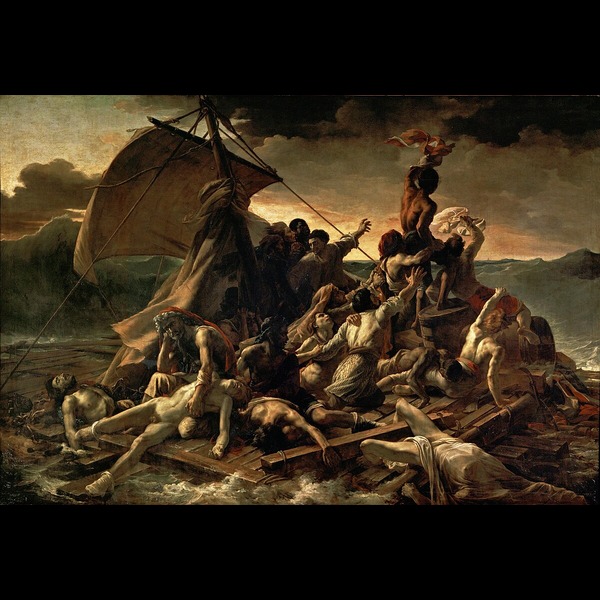
The survivors on Gericault's raft weren't waiting for rescue - they were signaling ships while building their own salvation from debris. That's us: the internet generation of the third world, constructing escape from whatever's floating after the wreck.
The raft isn't pretty. But it floats. Sometimes that's all it needs to be.